


The Fear of Bees: Understanding It, Respecting It, and Gently Moving Past It
Dearest Sweet Readers,
For something so small, bees can stir up some very big emotions. For many people, the buzz of wings alone is enough to trigger anxiety, a quick step backward, or even a full sprint in the opposite direction. If that sounds familiar, you’re far from alone. The fear of bees, sometimes called melissophobia or apiphobia, is incredibly common.
But here’s the encouraging part: fear of bees is also one of the most understandable fears, and one of the most manageable.
Let’s dig into why this fear exists, what’s actually true (and not true) about bees, and how you can slowly, comfortably change your relationship with them.

Why Are People Afraid of Bees?
At its core, fear of bees comes down to one thing: self-protection.
Bees can sting. And while most stings are harmless (just painful and annoying), your brain is wired to treat that possibility as a threat. Even if you’ve never been stung, your mind fills in the blanks with “what if.”
There are a few common reasons this fear develops:
Past experiences – A painful sting, especially in childhood, can leave a lasting impression
Learned behavior – Watching others panic around bees teaches your brain to do the same
Uncertainty – Not knowing how bees behave makes them feel unpredictable
Media influence – Movies and stories often exaggerate bees as aggressive swarms
Your brain isn’t trying to ruin your picnic, it’s trying to keep you safe. It’s just… a little overenthusiastic about it.

The Truth About Bees (That Might Surprise You)
Here’s where things start to shift.
Most people imagine bees as aggressive, but in reality:
Honey bees are not naturally aggressive
They are focused on collecting nectar and pollen—not chasing people.
A bee only stings as a last resort
For honey bees, stinging is actually fatal. They don’t “want” to sting you—they only do it if they feel seriously threatened.
You are not their target
You don’t smell like a flower, so unless you’re swatting or disturbing their hive, they’re usually uninterested.
They’re incredibly busy workers
A single bee may visit 50–100 flowers in one trip. They’ve got a job to do, and you’re not on the to-do list.
Now… wasps, yellow jackets, and hornets? That’s a completely different conversation—and they definitely didn’t get the ‘mind your business and pollinate flowers’ memo. You can find out how to tell the difference between stinging insects and what to do if you are stung in our post- Bee Stings: What’s the Buzz and What to Do
A Quick Story That Changes Perspective
Many beekeepers share a similar first experience: fear.
It’s not unusual for someone to approach their first hive with shaky hands and a racing heart… only to discover something surprising.
After a few minutes of standing near thousands of bees, nothing happens.
No attack. No chaos. Just… bees, calmly going about their work.
One beekeeper once described it like this:
“I realized they weren’t paying attention to me at all. I had spent years being afraid of something that barely noticed I existed.”
That moment—when fear meets reality—is often the turning point.
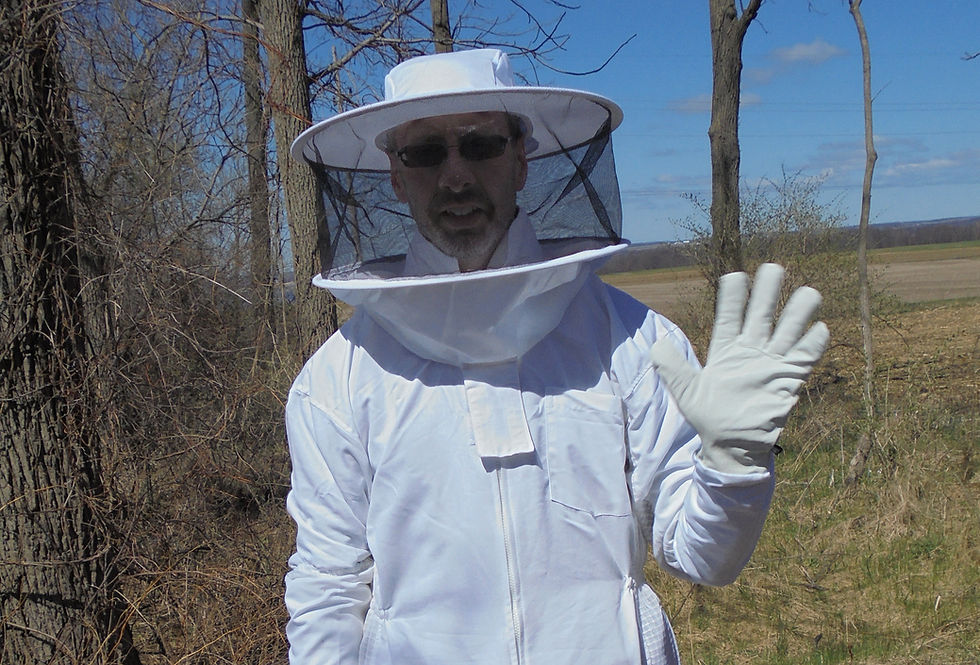 Highlighting Our Apiary Co-Owner’s Story As the beekeeper behind Fingerlakes Honey Company, Tom spends much of the year working closely with thousands of honey bees. But like many people, he didn't always feel comfortable around them. We asked Tom to share how his perspective on bees has changed over the years and how learning more about these incredible insects helped him overcome much of his fear while gaining a healthy respect for the hive. I was asked to write about how I have overcome my fear of bees. I would like to start by saying that I still have a fear of bees, but it is much different than it was at the beginning. At the start of my beekeeping adventure, I assumed that honey bees were just like hornets and wasps and should be feared at all times. I am not allergic to stings, but I certainly do not enjoy them—they sting! I believe this mindset is common among people who have never learned much about bees. As I gained experience and learned more about honey bees, I came to understand that there is actually very little to fear from honey bees under most circumstances. I believe the fact that honey bees are designed with a barbed stinger, causing them to die after stinging, should tell us that they do not want to sting unless circumstances demand it, such as defending themselves or protecting the hive. So, if you are walking along a path and see honey bees on flowers, even in great numbers, they are not interested in you. They are foraging and simply doing their jobs, which do not include stinging people. I wear a bee suit when I inspect my hives or harvest honey because honey bees will passionately defend their hive to the death. There are various techniques we use to keep them as calm as possible, but at the end of the day, they do not like someone—or something—poking around in their home. Even with a suit, I probably get stung once or twice a week, every week, from mid-April until the beginning of November. It is simply part of the job. Do I still fear bees? Under certain circumstances, yes. For example, when I am careless and forget to zip up my hood and end up with several bees inside my veil—as happened recently. I have come to believe that when you are in their space, you need to have a healthy level of respect and caution, and it would be foolish to think otherwise. At the same time, everything they do is amazing, and being able to witness it all up close is truly indescribable. |
Why Bees Actually Matter (A Lot)
Understanding bees doesn’t just reduce fear—it builds respect.
Bees are responsible for pollinating about one-third of the food we eat. That includes:
Fruits like apples, strawberries, and blueberries
Vegetables like cucumbers and squash
Nuts, seeds, and even coffee
Without bees, our food system—and ecosystems—would look completely different.
So while they might feel scary up close, they are quietly supporting life all around us.

How to Overcome the Fear of Bees (Gently and Realistically)
You don’t need to go from “run away screaming” to “holding a hive” overnight. This is about small, manageable steps.
1. Replace Panic with Curiosity
Next time you see a bee, try observing instead of reacting. Watch how it moves from flower to flower. Notice its focus.
Curiosity softens fear.
2. Learn Their Behavior
Knowing what bees won’t do is just as powerful as knowing what they can do.
They won’t chase you across a yard
They won’t sting without reason
They’re not interested in you unless disturbed
Knowledge gives your brain fewer “unknowns” to panic about.
3. Stay Calm and Still
Fast movements trigger defensive responses in many animals—including bees.
If a bee comes near you:
Pause
Stay still
Let it pass
Most of the time, it will move on within seconds.
4. Avoid Common Triggers
A few simple habits can reduce encounters:
Don’t swat at bees
Avoid strong floral perfumes outdoors
Be cautious around open sugary drinks
Think of it as “not accidentally inviting them over.”
5. Gradual Exposure
Start small:
Look at pictures of bees
Watch videos
Sit near flowers from a comfortable distance
Over time, your brain learns: this is safe.
6. Reframe the Narrative
Instead of “that’s scary,” try:
“That bee is working.”
“It’s helping pollinate.”
“It doesn’t want to hurt me.”
It sounds simple, but this mental shift is powerful.

A Different Way to See Bees
Fear tends to shrink things down to one idea: danger.
But bees are so much more than that.
They are:
Farmers of flowers
Makers of honey
Essential workers in nature
Tiny, tireless contributors to life on Earth
And most importantly—they are not out to get you.
A great way to find out more about honey bees is to attend one of our educational programs. There you can get up close and personal with honeybees safely,,, which means no actual contact. Find out more here.

Final Thoughts
Being afraid of bees doesn’t make you weak or irrational—it makes you human. But with a little understanding and a few small mindset shifts, that fear can soften into something else entirely.
Maybe not love right away… but respect, curiosity, and calm.
And that’s a pretty incredible transformation.
Not everyone dreams of standing next to a hive full of buzzing bees, and that's perfectly understandable. If you'd rather admire honey bees from afar, our Adopt a Bee or Hive Program is a great way to support our hardworking pollinators. Your adoption helps us care for our bees and maintain healthy hives, allowing you to be part of the journey without ever having to worry about a sting.
💬 We’d love to hear from you! Have you ever been afraid of bees—or had a moment that changed how you see them? Share your experience in the comments below!
Until Next Time- Stay Sweet!
Tom and Stacie

Tom and Stacie, are co-owners of Fingerlakes Honey Company located in the bee-utiful Finger Lakes region of New York State. When they are not tending to all things bees, they enjoy spending time with their grown children, their dog, and lots of chickens on their homestead. They love learning more about the bees they foster and helping others to learn more about them as well.



This was a good blog!
Aside from honey bees It would be helpful for people to be able to identify the different types of bees, what they look like and how aggressive they are....like wasps, hornets, yellow jackets, large bumblebees. And their types of hives, nests etc..